








Latest Post

Disaster and Emergency Zones: Rapid Deployment Waste Incineration
Disaster and Emergency Zones: Rapid Deployment Waste Incineration
Another critical use-case for small waste incinerators is in disaster relief and emergency response scenarios. Natural disasters, conflicts, and disease outbreaks can generate sudden surges of hazardous waste C from used medical supplies in emergency field hospitals to contaminated debris. In these situations, waiting weeks or months to set up permanent waste facilities is not an option. Instead, responders rely on rapid-deployment incinerators to manage waste and prevent secondary health crises. Portable incinerator units, often built into standard shipping containers or mounted on trailers, can be shipped quickly into disaster zones and set up on-site within days. They enable aid organizations to safely burn infectious and organic waste, ensuring that disease vectors (like pathogens in soiled bandages or bodily fluids) are neutralized even in the midst of chaos.
The United Nations and NGOs commonly incorporate incineration into their WASH (Water, Sanitation, and Hygiene) interventions for refugee camps and disaster-hit areas. For example, after major earthquakes or during large refugee influxes, humanitarian camps often establish a waste management area where a small incinerator handles medical and sanitary waste daily. Field reports indicate that using a controlled incinerator with gas treatment in such settings drastically improves sanitation by avoiding the dangers of uncontrolled dumping or open burning[20]. In refugee settlements like those in the Rohingya camps or South Sudan, aid organizations have noted that without incinerators, clinics would struggle to dispose of sharps and biohazard waste, leading to contamination of the living environment. UN peacekeeping missions (which often run their own medical units and base camps) similarly deploy incinerators as part of their operations[13]. The emphasis in emergencies is on mobility, reliability, and compliance C incinerators used by UN disaster response teams are typically required to meet international emissions guidelines even when operating in remote field conditions[21]. This ensures that while saving lives and controlling infections, the aid effort does not inadvertently create long-term pollution problems. Small-scale incinerators designed for rapid setup, therefore, serve as vital infrastructure in stabilizing public health during crises.
2025-12-11/11:18:19
|
Incinerator Items/Model |
HICLOVER TS100(PLC)
|
|
Burn Rate (Average) |
100kg/hour |
|
Feed Capacity(Average) |
150kg/feeding |
|
Control Mode |
PLC Automatic |
|
Intelligent Sensor |
Continuously Feeding with Worker Protection |
|
High Temperature Retention(HTR) |
Yes (Adjustable) |
|
Intelligent Save Fuel Function |
Yes |
|
Primary Combustion Chamber |
1200Liters(1.2m3) |
|
Internal Dimensions |
120x100x100cm |
|
Secondary Chamber |
600L |
|
Smoke Filter Chamber |
Yes |
|
Feed Mode |
Manual |
|
Burner Type |
Italy Brand |
|
Temperature Monitor |
Yes |
|
Temperature Thermometer |
Corundum Probe Tube, 1400℃Rate. |
|
Temperature Protection |
Yes |
|
Automatic Cooling |
Yes |
|
Automatic False Alarm |
Yes |
|
Automatic Protection Operator(APO) |
Yes |
|
Time Setting |
Yes |
|
Progress Display Bar |
3.7 in” LCD Screen |
|
Oil Tank |
200L |
|
Chimney Type |
Stainless Steel 304 |
|
1st. Chamber Temperature |
800℃–1000℃ |
|
2nd. Chamber Temperature |
1000℃-1300℃ |
|
Residency Time |
2.0 Sec. |
|
Gross Weight |
7000kg |
|
External Dimensions |
270x170x190cm(Incinerator Main Body) |
|
Burner operation |
Automatic On/Off |
|
Dry Scrubber |
Optional |
|
Wet Scrubber |
Optional |
|
Top Loading Door |
Optional |
|
Asbestos Mercury Material |
None |
|
Heat Heart Technology(HHT) |
Optional |
|
Dual Fuel Type(Oil&Gas) |
Optional |
|
Dual Control Mode(Manual/Automatic) |
Optional |
|
Temperature Record |
Optional |
|
Enhanced Temperature Thermometer |
Optional |
|
Incinerator Operator PPE Kits |
Optional |
|
Backup Spare Parts Kits |
Optional |
|
Mobile Type |
Optional:Containerized/Trailer/Sledge Optional |


Medical and Solid Waste Incinerators in Benin: Market Characteristics and Reliable Solutions
Medical and Solid Waste Incinerators in Benin: Market Characteristics and Reliable Solutions
Benin is boosting its healthcare services and waste management capabilities in major cities such as Cotonou, Porto-Novo, and Parakou. With more hospitals, laboratories, and diagnostic centers operating daily, the volume of medical waste continues to rise. In addition, solid community waste must be handled properly to maintain public health and urban cleanliness. Investment in professional incineration equipment is becoming a clear necessity for Benin.
Market Characteristics in Benin
The waste sector in Benin faces several challenges: limited landfill capacity, rapid urbanization, and varying infrastructure levels between urban and rural areas. Healthcare facilities in Cotonou may follow modern waste protocols, while clinics in cities like Bohicon or Natitingou may rely on burning pits or uncontrolled disposal.
Key characteristics shaping demand:
-
Growing healthcare infrastructure producing infectious waste
-
Larger hospitals requiring continuous disposal capacity
-
Environmental sensitivity in coastal regions near Cotonou and Ouidah
-
Need for reliable equipment that functions in hot, humid climates
Benin’s authorities and private medical centers are increasingly prioritizing safe medical waste treatment to control infection and pollution.
Demand Growth and Waste Treatment Trends
Benin’s expanding population and improving medical access are resulting in more syringes, blood-contaminated materials, PPE waste, and pharmaceutical by-products. Treatment of these wastes is expected to comply with higher hygiene and safety standards.
Main market trends include:
-
Increased procurement of compact, medium-capacity incinerators
-
Preference for systems that also handle solid general waste
-
Pressure from environmental regulators for smoke and odor control
-
Potential PPP and donor-funded waste management upgrades
Cities such as Cotonou and Porto-Novo are leading modernization efforts, while smaller city hospitals seek scalable, low-maintenance solutions.
Why Incineration Fits Benin’s Needs
Incineration is a practical method in Benin due to:
-
Immediate pathogen elimination
-
Rapid reduction in waste volume before final disposal
-
Lower dependency on advanced waste collection infrastructure
-
Minimal risk of cross-contamination or illegal dumping
Diesel fuel is widely available and provides stable combustion, especially in areas where electricity supply may be inconsistent.
HICLOVER Advantages for Benin Projects
HICLOVER incinerators are built for environments like Benin that require durability, easy operation, and multi-waste utility. Their design highlights include:
-
Temperature-controlled dual combustion chambers for clean exhaust
-
High-quality refractory linings built for long service life
-
Fuel options tailored to local availability
-
Optional gas treatment modules to reduce black smoke
-
Containerized and trailer-mounted models for rapid installation
Hospitals in Porto-Novo and government clinics in Parakou can deploy HICLOVER systems quickly with minimal civil engineering work, ensuring continuity of waste disposal during infrastructure transitions.
Additional Focus: Public Health and Coastal Protection
Benin’s coastline is an important economic and tourism asset. Uncontrolled disposal of medical waste near coastal communities threatens marine ecosystems and public safety. Incineration helps:
-
Prevent shoreline contamination
-
Reduce disease risk from washed-up sharps and infectious debris
-
Support municipal health campaigns in Cotonou and seaside regions
Modern waste handling strengthens both environmental sustainability and urban hygiene.
Conclusion
Benin’s healthcare development and rising waste management expectations create strong demand for reliable medical and mixed-waste incinerators. Safe disposal is essential in cities like Cotonou, Porto-Novo, Parakou, and regional hospitals across the country.
HICLOVER offers robust, easy-to-operate, and environmentally conscious incinerators that align with Benin’s climate, waste characteristics, and health improvement goals. These solutions provide dependable protection for both public health and the environment as Benin continues its modernization path.
2025-12-08/11:34:48
|
Incinerator Items/Model |
HICLOVER TS100(PLC)
|
|
Burn Rate (Average) |
100kg/hour |
|
Feed Capacity(Average) |
150kg/feeding |
|
Control Mode |
PLC Automatic |
|
Intelligent Sensor |
Continuously Feeding with Worker Protection |
|
High Temperature Retention(HTR) |
Yes (Adjustable) |
|
Intelligent Save Fuel Function |
Yes |
|
Primary Combustion Chamber |
1200Liters(1.2m3) |
|
Internal Dimensions |
120x100x100cm |
|
Secondary Chamber |
600L |
|
Smoke Filter Chamber |
Yes |
|
Feed Mode |
Manual |
|
Burner Type |
Italy Brand |
|
Temperature Monitor |
Yes |
|
Temperature Thermometer |
Corundum Probe Tube, 1400℃Rate. |
|
Temperature Protection |
Yes |
|
Automatic Cooling |
Yes |
|
Automatic False Alarm |
Yes |
|
Automatic Protection Operator(APO) |
Yes |
|
Time Setting |
Yes |
|
Progress Display Bar |
3.7 in” LCD Screen |
|
Oil Tank |
200L |
|
Chimney Type |
Stainless Steel 304 |
|
1st. Chamber Temperature |
800℃–1000℃ |
|
2nd. Chamber Temperature |
1000℃-1300℃ |
|
Residency Time |
2.0 Sec. |
|
Gross Weight |
7000kg |
|
External Dimensions |
270x170x190cm(Incinerator Main Body) |
|
Burner operation |
Automatic On/Off |
|
Dry Scrubber |
Optional |
|
Wet Scrubber |
Optional |
|
Top Loading Door |
Optional |
|
Asbestos Mercury Material |
None |
|
Heat Heart Technology(HHT) |
Optional |
|
Dual Fuel Type(Oil&Gas) |
Optional |
|
Dual Control Mode(Manual/Automatic) |
Optional |
|
Temperature Record |
Optional |
|
Enhanced Temperature Thermometer |
Optional |
|
Incinerator Operator PPE Kits |
Optional |
|
Backup Spare Parts Kits |
Optional |
|
Mobile Type |
Optional:Containerized/Trailer/Sledge Optional |

Market Analysis Report: Medical Waste Incinerator Demand in Burkina Faso
Market Analysis Report: Medical Waste Incinerator Demand in Burkina Faso
1. Introduction
Burkina Faso faces increasing challenges in managing medical and pharmaceutical waste, driven by healthcare expansion, population growth, and international aid programs. Proper disposal of infectious, pathological, and hazardous waste remains a crucial national priority to ensure environmental protection and public health―especially in hospitals, clinics, remote health posts, and emergency response units.
A reliable incineration-based disposal solution is a practical and compliant option for healthcare infrastructure in Burkina Faso, where waste generation is rising but treatment capacity remains limited.
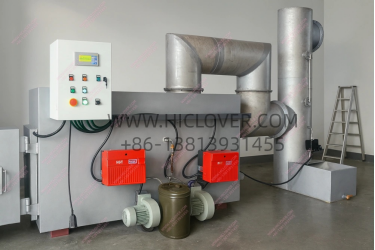
The HICLOVER TS200 PLC medical waste incinerator is positioned as a highly suitable equipment choice for the country’s current market needs.
2. Market Characteristics in Burkina Faso
| Key Factor | Market Insight |
|---|---|
| Healthcare System Expansion | Continuous development of new hospitals and NGOs funding waste facilities |
| Regulatory Pressure | Stronger national and international compliance for infectious waste treatment |
| Electricity & Infrastructure Gaps | Requires robust equipment with diesel as primary fuel |
| Climate & Installation Conditions | Outdoor deployment common; mobile/containerized units preferred |
| Procurement Channels | Government tenders, WHO/UN projects, NGO health support programs |
Primary Target Buyers:
-
Ministry of Health installations
-
District hospitals & regional medical centers
-
Private clinics and pharmaceutical distributors
-
International humanitarian organizations (UN, WHO, NGOs)
3. Waste Stream & Capacity Needs
Waste types:
Medical infectious waste, pharmaceuticals, laboratory waste, sharps, soiled materials.
Typical capacity demand:
Many mid-scale healthcare facilities in Burkina Faso require 200 kg/hr treatment capability to handle regional waste loads across multiple wards.
Operational advantages of incineration for the region:
-
Immediate volume and risk reduction
-
Independent from complex utilities
-
Suitable for remote locations
-
Proven against pathogens (high temperature treatment)
4. Recommended Equipment: HICLOVER TS200 PLC
Technical Performance
| Feature | Specification |
|---|---|
| Waste loading capacity | Approx. 300 kg per batch |
| Treatment capacity | Approx. 200 kg/hour |
| Fuel | Diesel standard; optional Natural Gas / LPG |
| Treatment technology | Dual-chamber high-temperature incineration |
| Primary chamber | 1.75 m3 combustion volume |
| Secondary chamber | 0.88 m3 combustion volume |
| Emission control | Dry scrubber standard; wet scrubber optional |
| Chimney | Safe discharge with neutralization filtration options |
| Operation control | PLC intelligent control with temperature monitoring |
Fuel Consumption
-
Primary chamber: 2 × G10LC burners (12 kg/h diesel)
-
Secondary chamber: 1 × G20LC burner (12 kg/h diesel)
-
Total fuel consumption: ~21 kg/hour (typical)
5. Installation & Deployment Options
Burkina Faso often requires flexible installation models due to site limitations and remote healthcare facilities.
HICLOVER offers:
-
No-installation ready-to-operate
-
Containerized mobile solution (20-ft side-opening container)
-
Container trailer system for regional sharing or emergency mobility
These configurations support:
-
Rapid deployment
-
Reduced civil engineering cost
-
Security of equipment and operators
-
Suitability for temporary medical missions
6. Competitive Advantages in the Burkina Faso Market
| Local Need | TS200 PLC Solution |
|---|---|
| High-risk medical waste | Two-stage incineration at up to 1200°C eliminating pathogens & drugs |
| Regulation alignment | Meets international standards (WHO project compliance support) |
| Infrastructure gaps | Diesel-powered system with optional gas fuels |
| Harsh environmental conditions | Durable refractory and corrosion-resistant materials |
| Skilled labor shortages | Automated PLC system, simplified operation and maintenance |
| Mobility for multi-facility service | Container/trailer configuration available |
These advantages align well with government modernization goals in waste management.
7. Conclusion
Burkina Faso’s healthcare expansion and stricter safety requirements create rising demand for 200 kg/hr certified medical waste incinerators. The HICLOVER TS200 PLC system directly addresses the country’s operational and regulatory challenges:
-
Strong processing capacity for regional hospitals
-
Flexible fuel choices to adapt to supply logistics
-
Optional mobility for remote district service
-
High-temperature dual-chamber combustion for safety
-
Emission control options for international compliance
This equipment is a strong candidate for government tenders, humanitarian procurement, and private sector investment in Burkina Faso.
2025-12-04/23:44:30
|
Incinerator Items/Model |
HICLOVER TS100(PLC)
|
|
Burn Rate (Average) |
100kg/hour |
|
Feed Capacity(Average) |
150kg/feeding |
|
Control Mode |
PLC Automatic |
|
Intelligent Sensor |
Continuously Feeding with Worker Protection |
|
High Temperature Retention(HTR) |
Yes (Adjustable) |
|
Intelligent Save Fuel Function |
Yes |
|
Primary Combustion Chamber |
1200Liters(1.2m3) |
|
Internal Dimensions |
120x100x100cm |
|
Secondary Chamber |
600L |
|
Smoke Filter Chamber |
Yes |
|
Feed Mode |
Manual |
|
Burner Type |
Italy Brand |
|
Temperature Monitor |
Yes |
|
Temperature Thermometer |
Corundum Probe Tube, 1400℃Rate. |
|
Temperature Protection |
Yes |
|
Automatic Cooling |
Yes |
|
Automatic False Alarm |
Yes |
|
Automatic Protection Operator(APO) |
Yes |
|
Time Setting |
Yes |
|
Progress Display Bar |
3.7 in” LCD Screen |
|
Oil Tank |
200L |
|
Chimney Type |
Stainless Steel 304 |
|
1st. Chamber Temperature |
800℃–1000℃ |
|
2nd. Chamber Temperature |
1000℃-1300℃ |
|
Residency Time |
2.0 Sec. |
|
Gross Weight |
7000kg |
|
External Dimensions |
270x170x190cm(Incinerator Main Body) |
|
Burner operation |
Automatic On/Off |
|
Dry Scrubber |
Optional |
|
Wet Scrubber |
Optional |
|
Top Loading Door |
Optional |
|
Asbestos Mercury Material |
None |
|
Heat Heart Technology(HHT) |
Optional |
|
Dual Fuel Type(Oil&Gas) |
Optional |
|
Dual Control Mode(Manual/Automatic) |
Optional |
|
Temperature Record |
Optional |
|
Enhanced Temperature Thermometer |
Optional |
|
Incinerator Operator PPE Kits |
Optional |
|
Backup Spare Parts Kits |
Optional |
|
Mobile Type |
Optional:Containerized/Trailer/Sledge Optional |


Efficient Fixed Incineration Systems for Agricultural Demonstration Zones
Efficient Fixed Incineration Systems for Agricultural Demonstration Zones
Modern agricultural demonstration zones, including crop processing areas and agri-logistics centers, face growing challenges in managing solid waste such as discarded plastic films, fertilizer bags, and rotten fruits and vegetables. These wastes, if improperly handled, can cause soil contamination, pest growth, and odor pollution. The HICLOVER medium-scale fixed incinerator provides a practical, low-maintenance, and environmentally sound solution for such integrated agricultural parks across Asia, Africa, and Latin America.
Agricultural Waste Challenges in Integrated Demonstration Parks
In large farming hubs―such as China’s modern agricultural bases, Kenya’s fresh produce centers, and Brazil’s agri-logistics corridors―mixed waste accumulates from cultivation, packaging, and daily processing. Traditional open burning and landfilling are increasingly restricted due to environmental laws.
The HICLOVER fixed incineration system addresses these challenges by ensuring complete combustion, minimal odor, and simple exhaust treatment, ideal for agricultural demonstration parks seeking green development certification or ISO-based environmental compliance.
System Design and Features
The HICLOVER fixed incinerator is designed for continuous, stable operation with minimal operator supervision. It uses high-efficiency combustion and compact flue-gas filtration, suitable for agricultural waste streams with variable moisture content.
Core features include:
-
Primary combustion chamber: 850C950 °C for waste oxidation and volume reduction.
-
Secondary combustion chamber: ≥ 1100 °C with ≥ 2 s retention to eliminate CO and odor.
-
Dry gas filtration section: simple lime or ceramic filter stage for dust and acid removal.
-
Sturdy refractory lining for long-term durability and high thermal efficiency.
-
PLC automatic control system for safe, repeatable operation.
-
Fuel flexibility: compatible with diesel, LPG, or natural gas.
Optional accessories include ash removal trays, stack monitoring ports, and basic air filtration units, allowing farms to meet regional emission targets cost-effectively.
Application in Agricultural Demonstration Zones
The system is ideal for:
-
Crop planting and processing clusters handling packaging and plant residues.
-
Fruit and vegetable collection centers managing spoiled produce and packaging waste.
-
Agri-logistics hubs where warehouses generate mixed organic and synthetic waste.
In Thailand’s horticultural development zones or Ethiopia’s agribusiness corridors, mid-capacity fixed incinerators enable operators to maintain clean surroundings while demonstrating environmental responsibility to investors and regulators.
Environmental and Operational Benefits
-
Up to 95 % waste volume reduction.
-
Elimination of odors and pathogens.
-
Compact, on-site installation requiring minimal infrastructure.
-
Simple dry filtration system with low maintenance cost.
-
Compliance with GB 18484-2020 and WHO waste standards.
The unit’s balanced design supports sustainable agriculture initiatives while avoiding the complexity and cost of large industrial incineration lines.
HICLOVER: Trusted Partner in Agricultural Environmental Solutions
With over 40 countries served worldwide, HICLOVER provides tailored fixed incineration and filtration systems for agricultural, industrial, and environmental applications. Its equipment line combines reliability, fuel efficiency, and emission safety, supporting modern agricultural ecosystems transitioning toward zero-pollution waste treatment.
Learn more:
www.hiclover.com | Fixed Incinerator Systems | Agricultural Waste Solutions | CloverFilter Air Treatment Units | Contact HICLOVER
Keywords: agricultural waste incinerator, fixed incineration system, crop residue disposal, agri-logistics waste treatment, medium-scale incinerator, simple flue gas filtration, HICLOVER environmental equipment.
2025-11-04/22:08:19
|
Incinerator Items/Model |
HICLOVER TS100(PLC)
|
|
Burn Rate (Average) |
100kg/hour |
|
Feed Capacity(Average) |
150kg/feeding |
|
Control Mode |
PLC Automatic |
|
Intelligent Sensor |
Continuously Feeding with Worker Protection |
|
High Temperature Retention(HTR) |
Yes (Adjustable) |
|
Intelligent Save Fuel Function |
Yes |
|
Primary Combustion Chamber |
1200Liters(1.2m3) |
|
Internal Dimensions |
120x100x100cm |
|
Secondary Chamber |
600L |
|
Smoke Filter Chamber |
Yes |
|
Feed Mode |
Manual |
|
Burner Type |
Italy Brand |
|
Temperature Monitor |
Yes |
|
Temperature Thermometer |
Corundum Probe Tube, 1400℃Rate. |
|
Temperature Protection |
Yes |
|
Automatic Cooling |
Yes |
|
Automatic False Alarm |
Yes |
|
Automatic Protection Operator(APO) |
Yes |
|
Time Setting |
Yes |
|
Progress Display Bar |
3.7 in” LCD Screen |
|
Oil Tank |
200L |
|
Chimney Type |
Stainless Steel 304 |
|
1st. Chamber Temperature |
800℃–1000℃ |
|
2nd. Chamber Temperature |
1000℃-1300℃ |
|
Residency Time |
2.0 Sec. |
|
Gross Weight |
7000kg |
|
External Dimensions |
270x170x190cm(Incinerator Main Body) |
|
Burner operation |
Automatic On/Off |
|
Dry Scrubber |
Optional |
|
Wet Scrubber |
Optional |
|
Top Loading Door |
Optional |
|
Asbestos Mercury Material |
None |
|
Heat Heart Technology(HHT) |
Optional |
|
Dual Fuel Type(Oil&Gas) |
Optional |
|
Dual Control Mode(Manual/Automatic) |
Optional |
|
Temperature Record |
Optional |
|
Enhanced Temperature Thermometer |
Optional |
|
Incinerator Operator PPE Kits |
Optional |
|
Backup Spare Parts Kits |
Optional |
|
Mobile Type |
Optional:Containerized/Trailer/Sledge Optional |


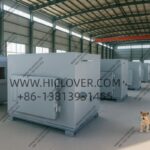
Reliable Medical Waste Incineration for Refugee Camps and Post-Disaster Shelters
Reliable Medical Waste Incineration for Refugee Camps and Post-Disaster Shelters
Across many parts of the world, humanitarian operations face serious challenges in managing medical and domestic waste safely. Refugee settlements and post-disaster camps―whether in conflict-affected regions of East Africa, the Sahel, or after earthquakes in areas such as Turkey, Pakistan, or Nepal―often lack access to stable waste-treatment infrastructure. Without proper disposal systems, contaminated waste can quickly become a source of infection and environmental pollution.
Critical Waste Challenges in Temporary Camps
Emergency and displacement zones generate a wide mix of waste: used bandages, syringes, protective clothing, plastic packaging, and food residues from relief kitchens. In many camps, open burning or uncontrolled dumping remains common, posing risks to both workers and local residents. For humanitarian agencies and local authorities, the priority is to establish self-contained, easy-to-operate waste treatment systems that can be installed rapidly and managed by minimal staff.
HICLOVER Medical-Type Incinerators for Humanitarian Applications
The HICLOVER medical waste incinerator is designed specifically for emergency response and camp environments. Built within a containerized or skid-mounted enclosure, it can be transported by truck or air cargo and operated immediately after arrival.
Each unit includes:
-
A primary combustion chamber for infectious and domestic waste.
-
A secondary combustion chamber operating above 1100 °C for complete gas oxidation.
-
Optional wet scrubber and alkali neutralization system to meet WHO emission recommendations.
-
PLC automatic control for temperature, safety, and timing.
The modular design enables rapid setup in remote locations―ideal for refugee camps in Sudan, Ethiopia, or Chad, and disaster recovery bases in the Middle East or South Asia.
Operational Benefits
-
Quick deployment: Delivered pre-assembled, ready for operation within hours.
-
Compact footprint: Fits in standard ISO container size for easy logistics.
-
Energy efficiency: Dual-chamber design ensures complete combustion with minimal fuel use.
-
Environmental compliance: Reduces visible smoke, odor, and pathogens from open burning.
-
Low maintenance: Durable refractory materials and automated burner control.
Why On-Site Incineration Matters
Safe incineration prevents disease transmission, reduces contamination of soil and water, and supports hygiene in densely populated temporary camps. In the aftermath of earthquakes or floods, where hospitals and municipal services are disrupted, on-site thermal treatment becomes essential to prevent secondary outbreaks.
A Sustainable Choice for Humanitarian and Emergency Projects
HICLOVER’s portable medical-type incinerators provide a reliable, compliant, and field-tested solution for humanitarian logistics. Whether deployed in African relief missions, Middle Eastern refugee camps, or post-earthquake recovery shelters in Asia, these systems enable clean, efficient, and responsible waste management wherever infrastructure is absent.
For NGOs, UN agencies, and government emergency programs seeking to strengthen environmental health in crisis zones, HICLOVER incinerators represent a practical path toward safer and more sustainable camp operations.